Cancer is a scary word. Per the Centers for Disease Control (CDC), it is estimated that there will be 2.1 million new cancer cases by the end of 2026. A cancer diagnosis is far more common than people realize: most people have a friend, relative, or coworker that has experienced a cancer diagnosis, either as a patient or by supporting loved one.
While cancer continues to be a disease people fear, survival rates are at an all-time high. According to the National Cancer Institute (NCI), the survivability of a cancer diagnosis has been steadily increasing since 1991, mainly due to efforts to reduce smoking rates, significant progress in early detection, and treatment improvements. Despite these positive numbers, the impact of a cancer diagnosis on someone’s life is significant.
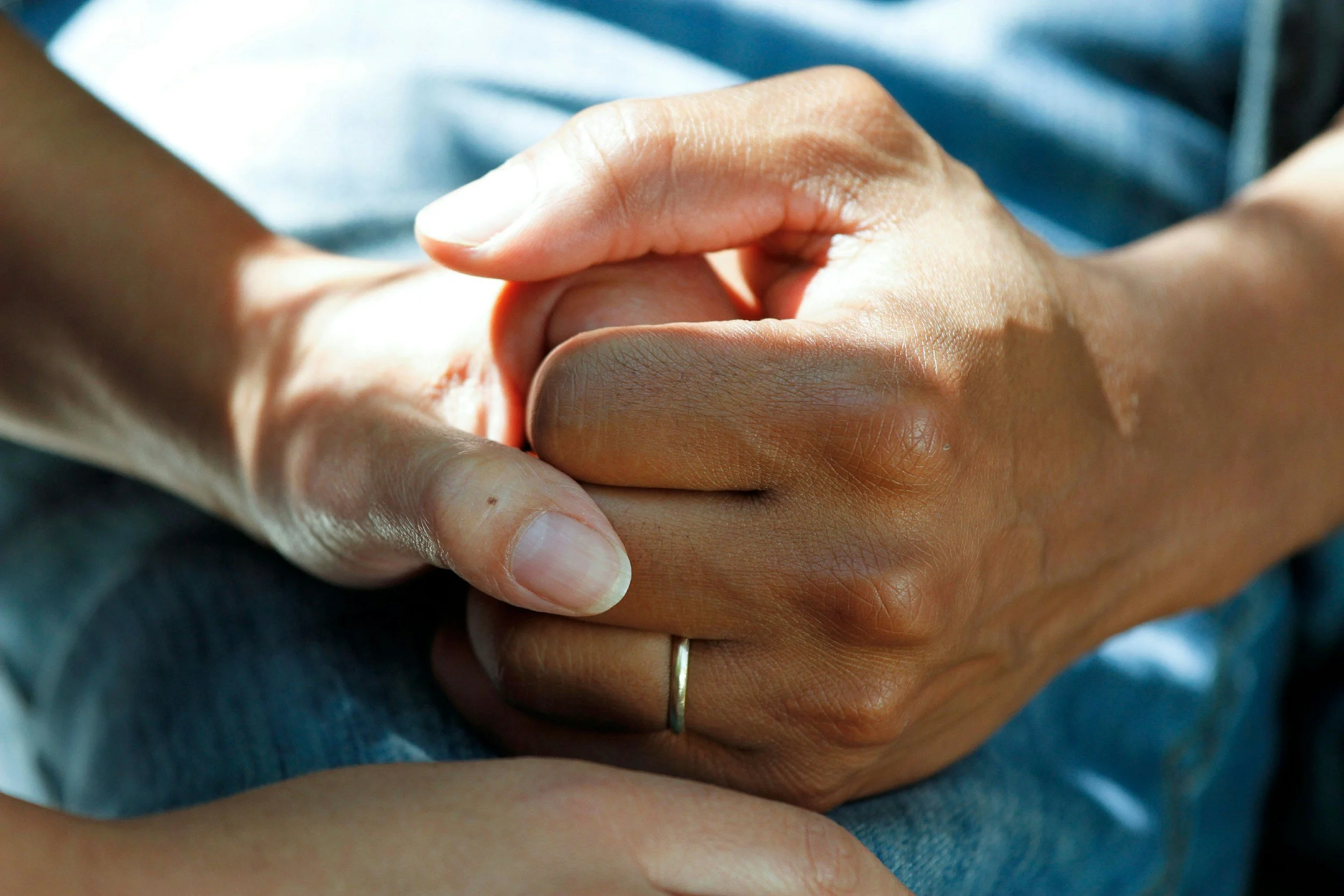
Cancer Care

Cancer often disrupts every part of our lives: physical, mental, emotional, spiritual, vocational, and more. Even when caught early and treated successfully, cancer can be a traumatic experience with lingering effects well past treatment. People can feel cut off from their loved ones with their new identity as a cancer survivor. Friends and family can feel helpless in supporting their loved ones. Increased financial stress can bring depression and anxiety.
Mental health support is an essential part of cancer treatment that is often overlooked. Supporting individuals with cancer in processing their diagnosis, changes to their body, and post-treatment challenges are a few of the topics that people experiencing a cancer diagnosis explore in therapy. Additionally, processing any traumatic experiences supports holistic healing. All three of our therapists have extensive experience in oncology care. If you or a loved one is considering therapy to find support during a diagnosis, please contact us for more information and resources.